Tips
Vatican City: The Complete Tourist Guide
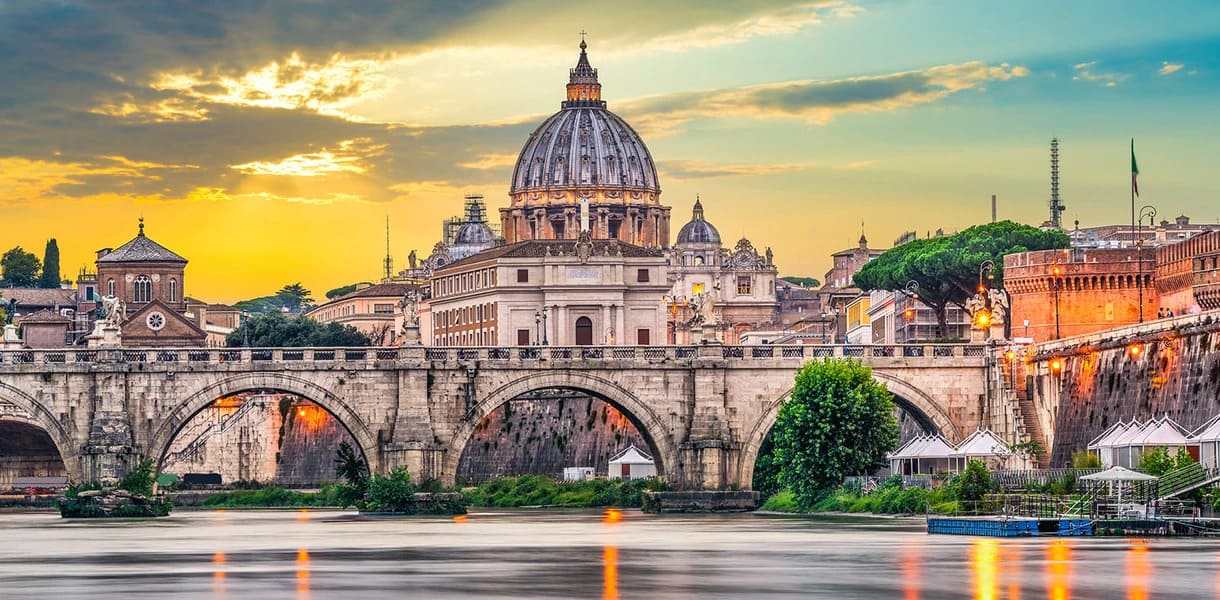
Everything you need to know before visiting the world's smallest and most enigmatic state
Vatican City covers just 0.44 square kilometres — smaller than most urban parks. Yet within these walls lies a greater concentration of art than anywhere else on earth. The Sistine Chapel, St. Peter's Basilica, the Apostolic Palace, the Pinacoteca — each site deserves a journey of its own. Together, they form a place that changes people.
More than six million tourists visit the Vatican every year. That means crowds, queues, and the very real risk of spending half your day waiting rather than actually experiencing what you came to see. This guide will help you prepare so that the Vatican becomes a genuine revelation — not an exhausting ordeal.
A State at the Heart of a City: Key Facts About the Vatican
Vatican City is the smallest recognised state in the world and the only absolute theocratic monarchy in Europe. The Pope simultaneously serves as head of state, legislative authority, and supreme judge. The population is approximately 800 people, and nearly all of them hold citizenship by virtue of their office: cardinals, Swiss Guards, clergy.
The Vatican's territory is enclosed by medieval walls and is formally separate from Rome, though there is virtually no physical border between them — you simply cross an invisible line and find yourself in another country. The Vatican Museums and the Sistine Chapel form part of the papal palace complex and are the most visited sites in the entire Catholic world.
What You Must See in the Vatican
The Vatican Museums
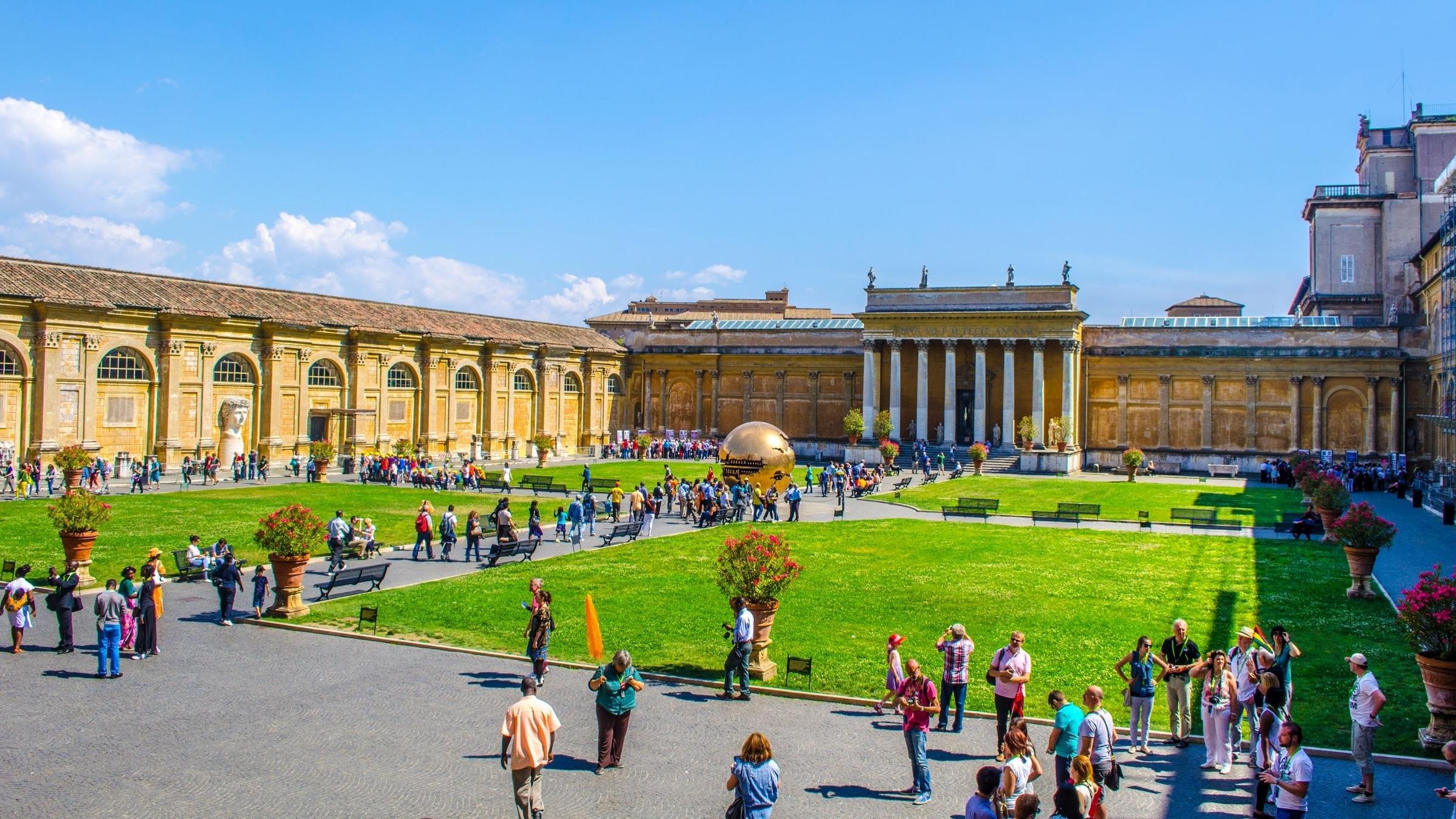
The Vatican Museums are not a single museum but a vast series of halls and galleries housed within the papal apartments and their annexes. The collection comprises over 70,000 artefacts, though only around 20,000 are on display to visitors at any one time. Among the highlights are Egyptian mummies, ancient Roman sculpture, and paintings by Raphael, Titian, and Leonardo da Vinci.
The Gallery of Maps is one of the most underrated rooms in the complex: 40 large frescoes depicting every region of the Italian Peninsula in remarkable detail, painted in the sixteenth century with extraordinary accuracy. The Raphael Rooms are four chambers decorated by the master and his pupils, where The School of Athens is widely regarded as the pinnacle of Renaissance painting.
Read also: The Best Road Trip Routes Across Ukraine
The Sistine Chapel
This is the place most people come to the Vatican to see. Michelangelo spent four years painting the ceiling — from 1508 to 1512 — and the result still has the power to silence a room. The Creation of Adam, The Last Judgement on the altar wall, hundreds of figures, each one a masterpiece of anatomical draughtsmanship in its own right.
Strict silence and a ban on photography are enforced inside — the rules are taken seriously, and guards remind visitors regularly. Come prepared: read or watch material about the frescoes beforehand so that inside the chapel you can simply look and feel, without needing to decode the narratives as you go.
St. Peter's Basilica and Its Dome
The world's largest Catholic church took over 120 years to build — from Bramante to Bernini. Inside, the scale is breathtaking: 211 metres in length, a 45-metre dome, and Bernini's baldachin standing as tall as a five-storey building. Michelangelo's Pietà, carved from marble when the sculptor was just 24 years old, stands immediately to the right of the entrance.
Climbing the dome deserves a dedicated slot in your itinerary. You can take the lift or go on foot — but the final third of the ascent is the same for everyone: narrow spiral stairs running inside the double wall of the dome itself. At the top, a panorama of Rome awaits that you will not forget.
How to Visit the Vatican Properly: Practical Details
The Vatican requires at least one full day — and even that may not be enough if you want to explore the museums thoughtfully. The worst thing you can do is arrive without preparation and join the general queue. At peak season, it stretches to two or three hours.
The best approach is to book a guided tour of the Vatican with priority entry. This solves several problems at once: you bypass the general queue, receive detailed commentary on Michelangelo's frescoes and the museum collections, and avoid losing time navigating the labyrinthine halls on your own.
If you prefer to visit independently, book tickets online at least a week in advance — ideally two to three weeks ahead. The official Vatican Museums website allows you to select a specific entry time.
Dress Code, Rules, and Important Details
The Vatican is a functioning state and a religious centre, and its rules of conduct are clear. Shoulders and knees must be covered — this is a strict condition of entry to St. Peter's Basilica.
Bring a light scarf or cardigan with you: it takes up almost no space in your bag and instantly resolves any dress code concerns.
Photography and loud conversation are prohibited inside the Sistine Chapel.
How to Get to the Vatican
Vatican City is located in the centre of Rome and is well connected to the rest of the city. The most convenient option is Line A of the Rome Metro, alighting at Ottaviano or Lepanto.
Five Tips That Will Make Your Visit Better
First: never visit without advance booking in May, June, August, or September.
Second: allow a minimum of three to four hours for the Vatican Museums.
Third: download the official audio guide or prepare background reading on Michelangelo and Raphael before you go.
Fourth: after St. Peter's Basilica, walk to the Castel Sant'Angelo.
Fifth: do not try to visit both the Vatican and the Colosseum on the same day.
The Vatican is a place that no description can fully capture. Here, art, religion, history, and human genius converge into something that transcends all categories.

Elena Chernenko
Elena is a recognized expert in the bus transportation industry. With a deep understanding of the industry and a wealth of experience, Elena has earned a reputation for reliability working with both large carriers and private companies. Her expertise includes route planning, safety analysis and efficiency of transportation solutions.
In her blog, Elena offers professional advice, reviews current market trends and shares her experience to help readers better understand the world of bus transportation.
Related publications


October 01, 2026

